
Our Strength Goals For Longevity
The assortment of strength and agility movements my people are striving to improve.

If you train with me, you know we’re doing a lot of different “things.” I want my people able to handle their own weight through: jumping, hanging, pushing, balance, and running. Once we’ve established strong core strength, then we can work on strength goals in the squat, deadlift, push ups, and more.
I’m going to go through the movements I feel are important, why we do them, and then goals I have in place for my people.
First, let’s go through a typical hour session.
Overview
We start a workout with easy, mindless movement. Either a bike, rower, or ski erg with little exertion. We’re basically taking the body through a gentle transition from parasympathetic nervous system (rest and digest) to sympathetic (fight or flight). We are getting blood flowing through muscles and synovial fluid flowing through joints.
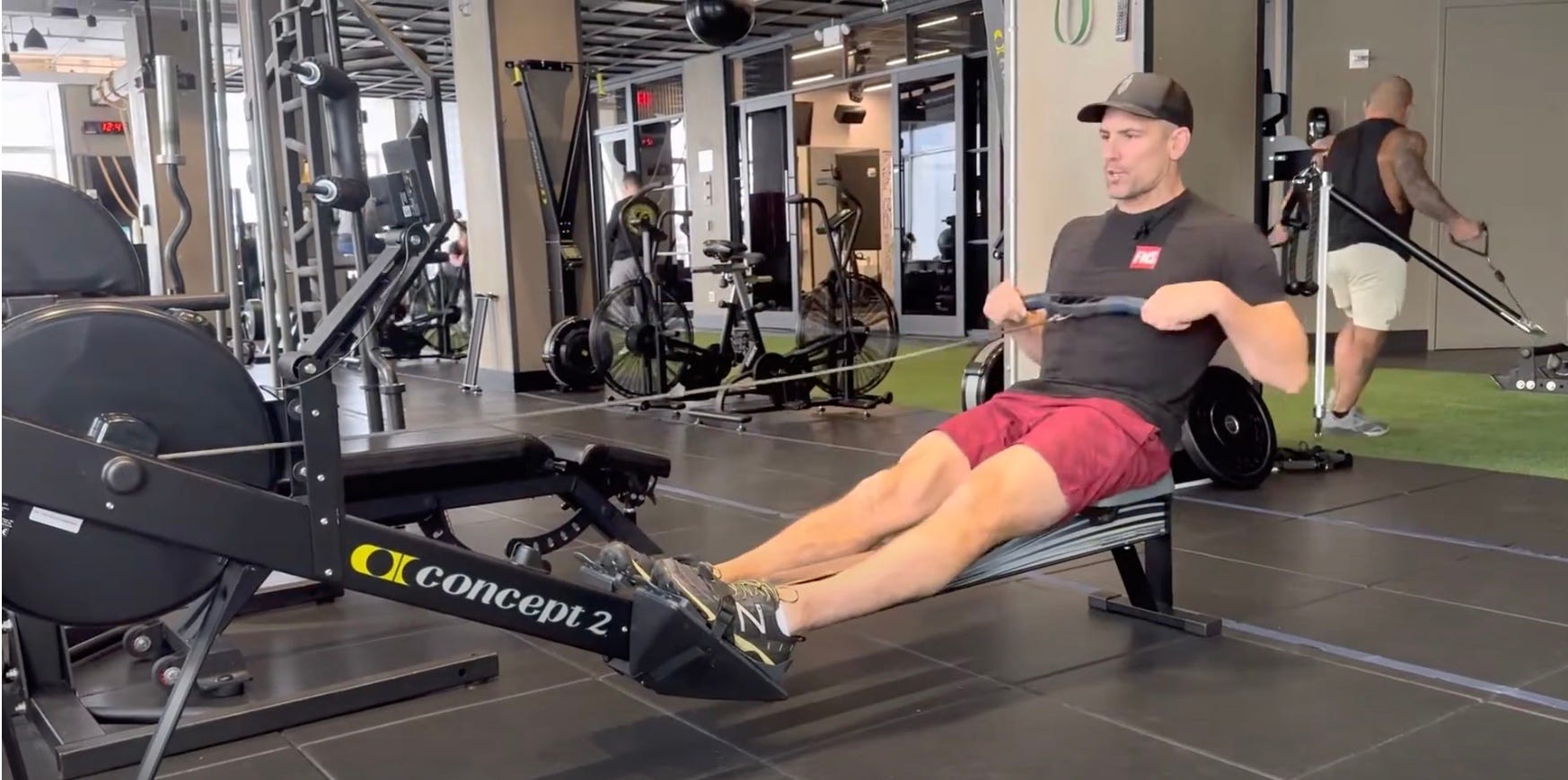
We then go to stretching and core stability as I feel mobility in our hips, shoulders, and thoracic spine is important. We have multiple joints throughout our body. Some are meant to be mobile and some are meant to be stable.
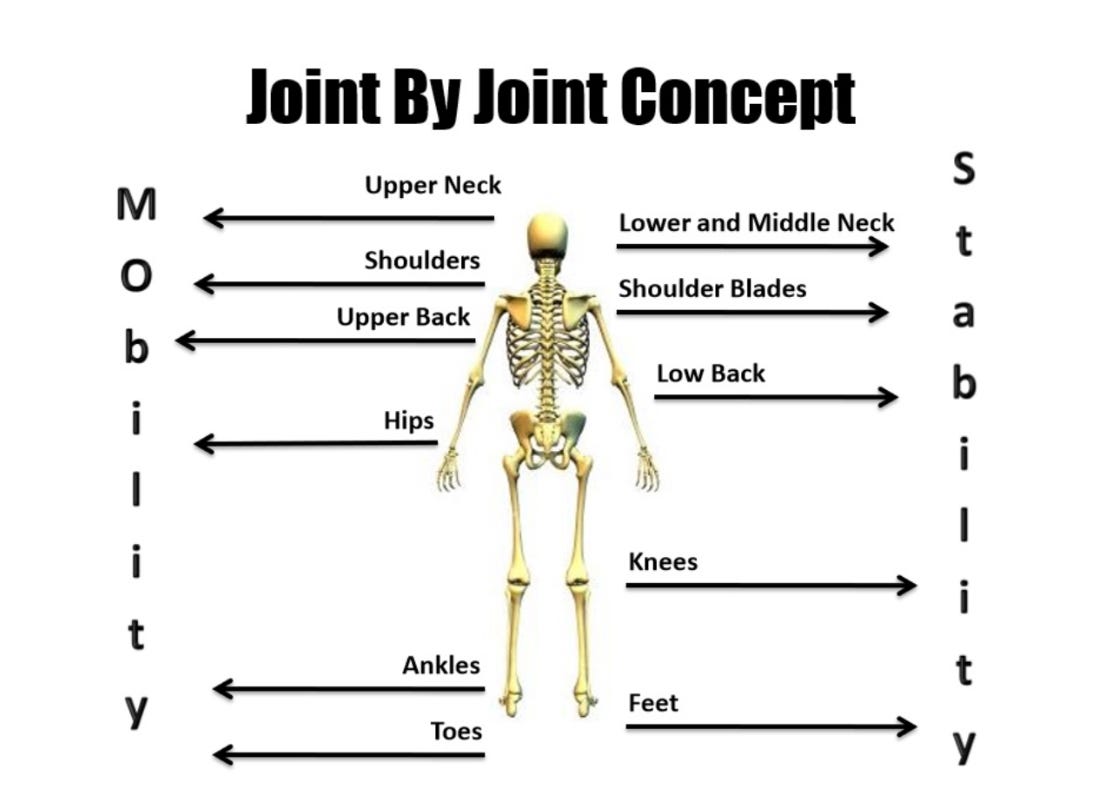
If the mobile joints aren’t displaying a good range of motion, the stable joints will try to be mobile and that’s when we have problems. I also want a strong core base before we get into our strength movements. There is a physical therapy mantra, we need “Proximal stability in order to have distal mobility.” Overall, the brain is waking up and body is loosening up.
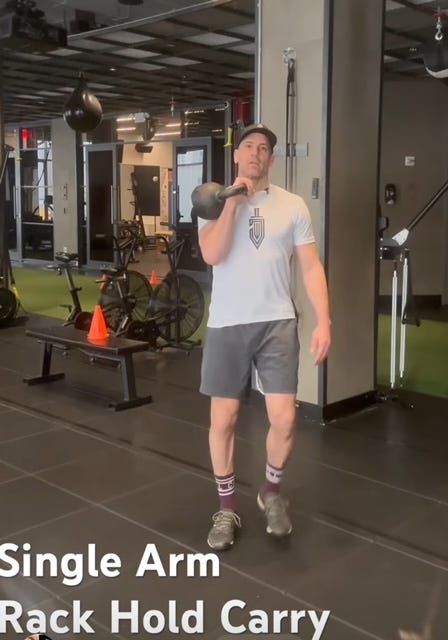
We then move to some holds. A hold is just what it says, holding a heavy object usually while walking or marching, or even standing. These can be either a farmer carry (at your side hips), rack hold carry (at the shoulders), or overhead carry. This is good for grip strength and they are also basically a moving plank. I’m getting trunk and core stability as well as muscle mass building. We do them for about two minutes for each hold so that’s a lot of time under tension with literally zero risk of injury. I’ll go through other benefits.
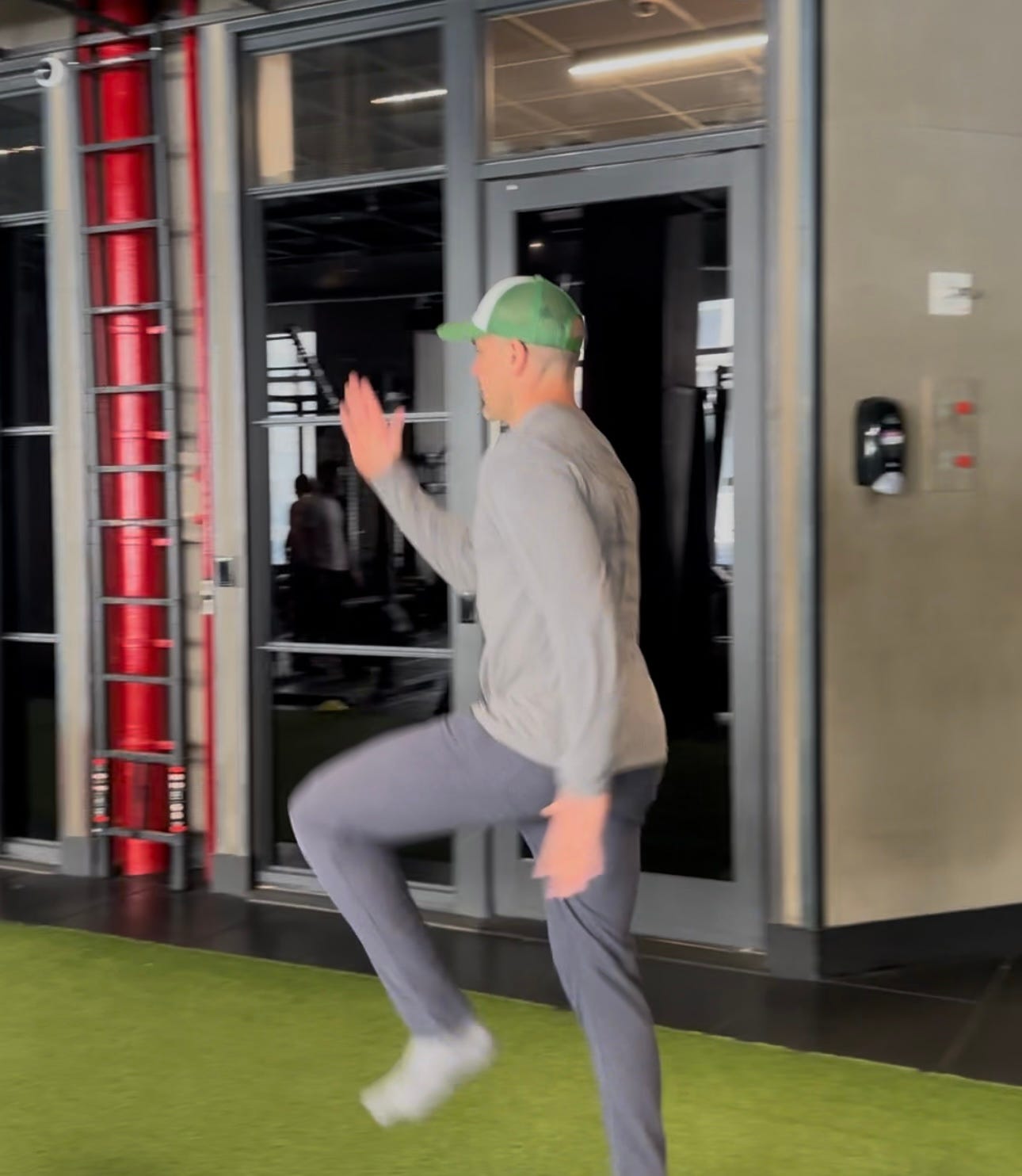
Then plyometrics with skipping, sprint drills, and jumping. Plyometric training boosts explosive power, speed, and athletic performance by training muscles to exert maximum force quickly, enhancing jumping, sprinting, and agility, while also improving coordination, balance, bone density, and reducing injury risk by strengthening tendons and improving neuromuscular control for more efficient, powerful movements. Especially my runners. While this type of training is generally thought of as just for sprinters, I feel it’s even more important for middle and long distance runners, of all ages and abilities. A 2024 study, for instance, published in the European Journal of Sports Science, found that a 10-week program of plyometric training (performed twice a week on nonconsecutive days) improved running economy in middle-aged recreational runners.
Next we’ll start our strength training which will include dumbbells, kettlebells, or barbells. Strength training builds muscle, boosts metabolism for weight control, strengthens bones to prevent osteoporosis, improves balance, and enhances mood by releasing endorphins, while also managing chronic conditions like diabetes and heart disease by improving blood sugar, blood pressure, and cholesterol. It protects joints, increases endurance, and helps with daily activities, making it a vital component for physical and mental health at any age. I use everything. Kettlebells, barbells, dumbbells, body weight movements a lot, Animal Flow, Stick Mobility, Cables, Keiser, and more.
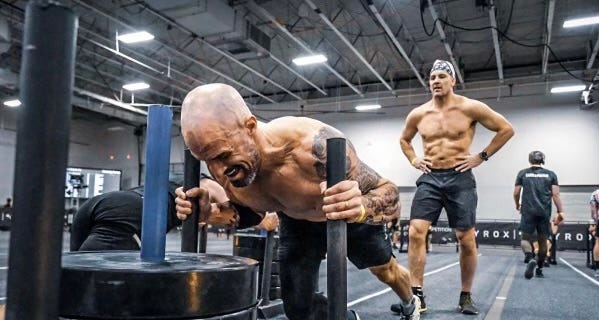
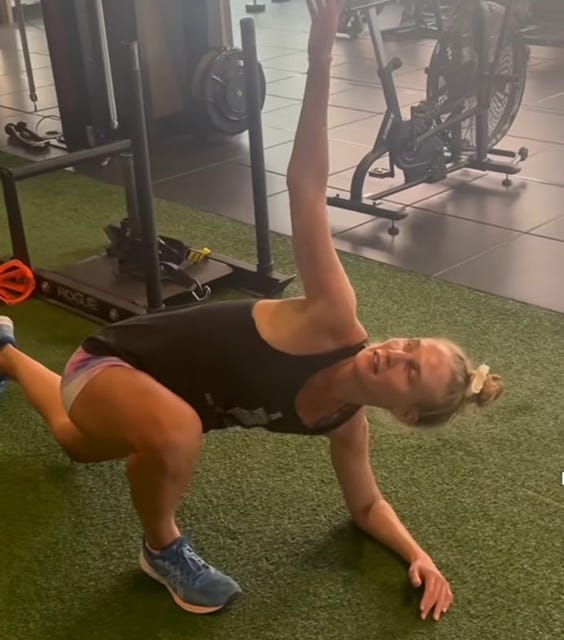
Finally we’ll do some metabolic conditioning which will include a combination most likely of cardiovascular and strength training. Depending on whom I’m working with, I like to add strength with cardio because with most endurance events like marathons or triathlons, we have to depend on our strength at some point during the race, especially at the end. When passing people that don’t have that strength. Smile. I want my people to be ready for anything.
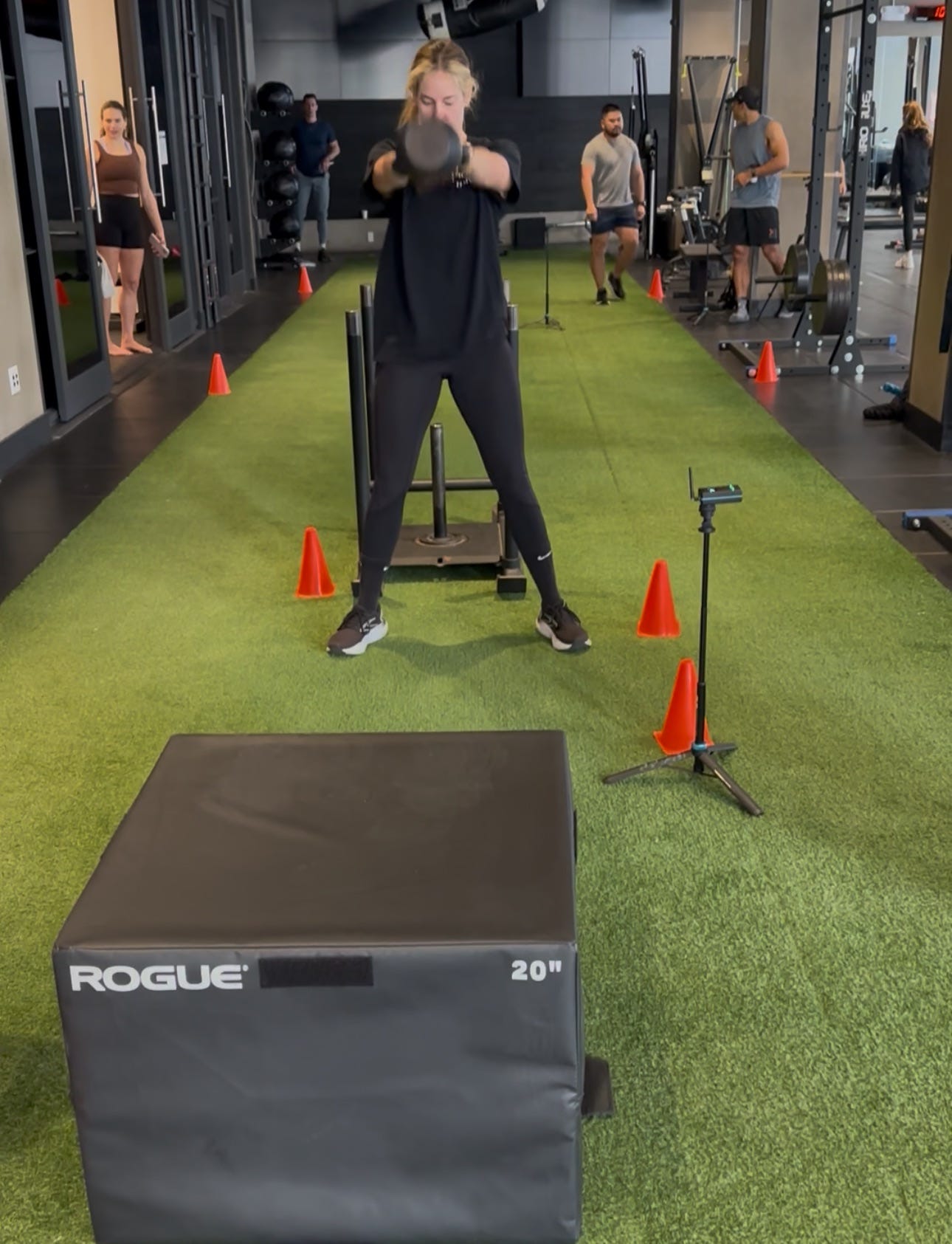
(Below Natalie is going from: Ski erg, to sled push, to swings, to box jumps, sled push back, to run a lap. We’ll do this 3-5 rounds.)
Metabolic conditioning (MetCon) offers a wide array of benefits, primarily by improving your body’s ability to efficiently use and store energy. This form of high-intensity training, often combining strength and cardio, significantly impacts body composition, athletic performance, and overall health.
Maximised calorie and fat burn: MetCon workouts burn a high number of calories during the session and, critically, elevate your metabolism post-workout through a process called Excess Post-exercise Oxygen Consumption (EPOC), leading to continued calorie burn for hours, sometimes up to 48 hours, afterward.
Increased muscle mass: By utilizing compound, high-intensity movements, MetCon helps build and preserve lean muscle mass.
Improved insulin sensitivity: Regular metabolic conditioning can enhance glucose regulation and insulin sensitivity, which helps manage blood sugar levels and reduces the risk factors for metabolic syndrome and type 2 diabetes.
Weight management: The combined effect of high calorie burn and muscle gain makes MetCon highly effective for weight loss and achieving a more toned physique.
Physical Performance & Endurance
Enhanced cardiovascular fitness: The high intensity demands placed on the body during MetCon significantly improve heart health, endurance, and overall cardiovascular capacity.
Increased muscular endurance, power, and speed: MetCon trains all three of the body’s energy systems (phosphagen, anaerobic, and aerobic), making the body more efficient at producing and utilizing energy when needed for different types of activities, from short, powerful bursts to sustained effort.
Improved agility and balance: Many MetCon programs incorporate functional movements that mimic real-world activities, leading to better coordination, agility, and balance.
Faster recovery: By improving the efficiency of energy pathways, the body gets better at buffering lactate and recovering faster between bouts of intense activity.
Our Goals
Here are movement goals that my people are working towards or have already attained.
1. Hip Stability & Mobility
When the structures of the hips are in optimal condition, it’s safe to assume that the balance between stability and mobility is near perfect. However, this is rarely true. But this is what I’m striving for. Some people require more mobility than stability and some the opposite. And some need both.
Too much movement throughout the day can be just as damaging to the hips as too much idleness. Someone who is on their feet all day puts loads of pressure on their joints, which can cause inflammation and degeneration, whereas someone who sits most often is likely to suffer from weakness and damaging compression. Similarly, habits like slouching or carrying a heavy load can also damage the structures of the hips.
Stabilizing the hip joint is essential because it stabilizes the knee joint and decreases knee pain. One way to remember the importance of hip stabilization related to knee stabilization is that proximal stability equals distal mobility.
The hip muscles, particularly the gluteus medius and minimus, play a key role in stabilizing the pelvis during activities like walking, running, and climbing stairs.
Strong hips help maintain optimal alignment and transfer of force through the pelvis, spine and lower limbs, reducing the likelihood of ankle sprains, foot problems, knee injuries, and lower back pain.
Maintaining hip strength ensures smooth and efficient movement patterns. Whether you’re squatting, jumping, lifting, or simply walking. It is involved in pretty much all we do day to day!
Mobilizing is crucial for functional movement. Enhanced hip range of motion reduces strain on the lower back and knees, prevents injuries like sciatica or IT band syndrome, and improves overall athletic performance and everyday balance.
Hip mobility becomes increasingly important as we age. If our hips aren’t mobile, other joints like lower back and knees will have to pick up the slack when they shouldn’t.
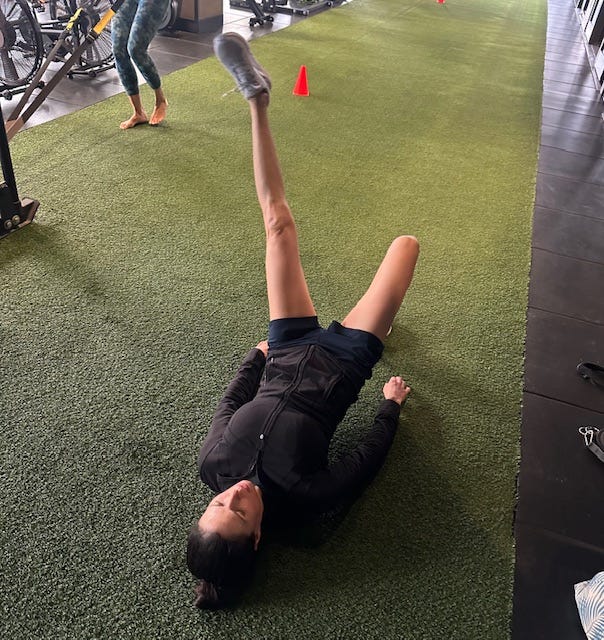
Goal 1 - 1 minute straight with single leg hip extension the other leg going through:
Done in succession. All one leg, then the other leg.
10 Single Leg Hip Extensions
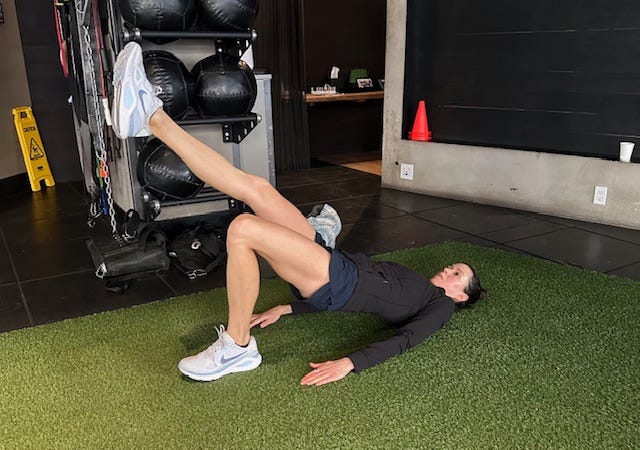
10 kicks forward back
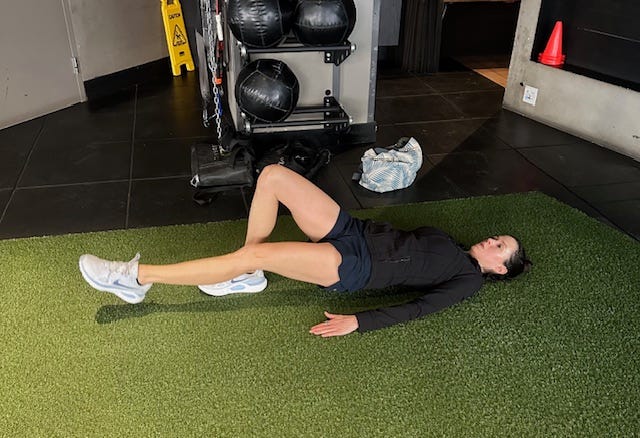
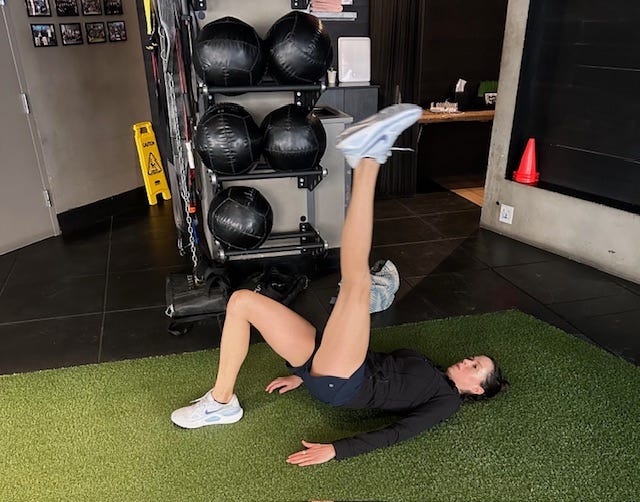
10 kicks out to the side
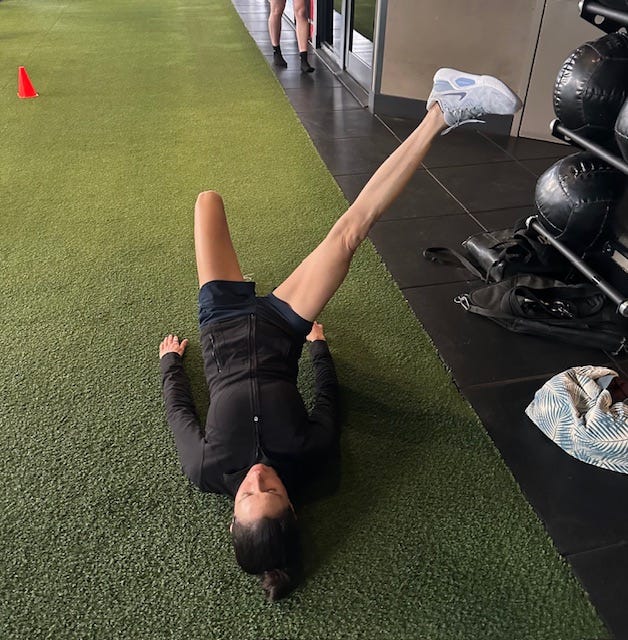
5 circles each way
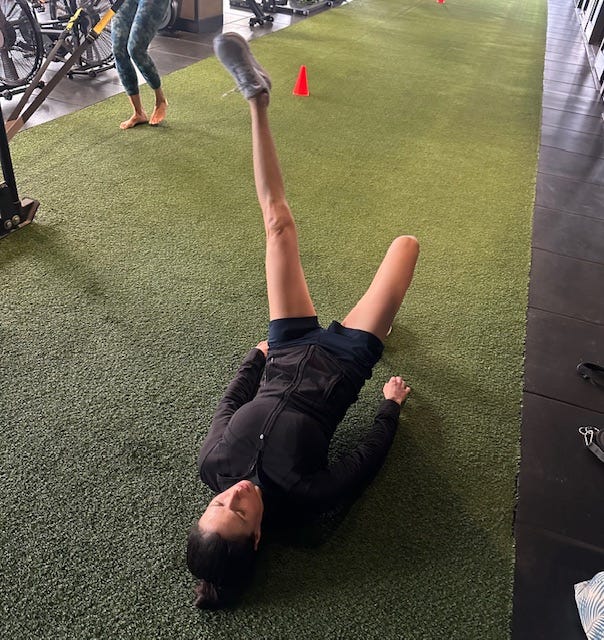
I’m getting an isometric hold (Stability) with one side as it’s keeping you up, and then mobility on the other side as it’s going through the kicks. The extensions, then kicks up/down, out to the side, and then 5 circles each way is about 1 minute. Try it and feel the burn.
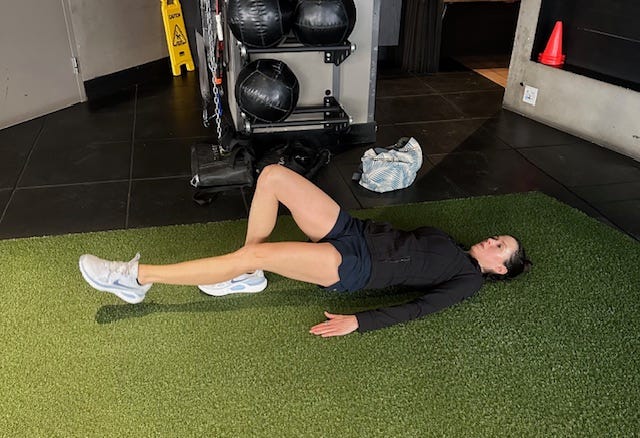
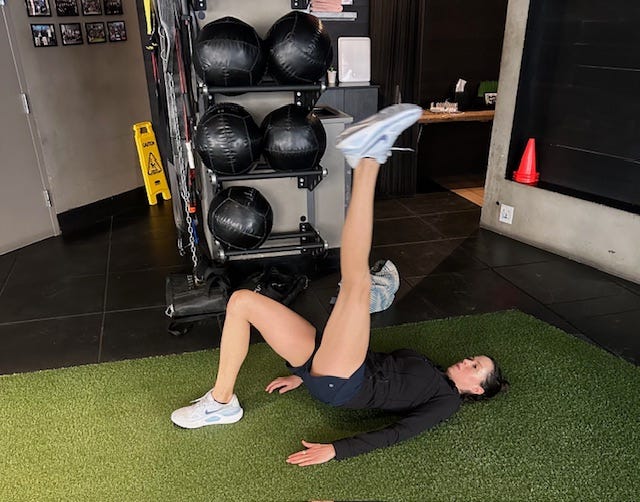
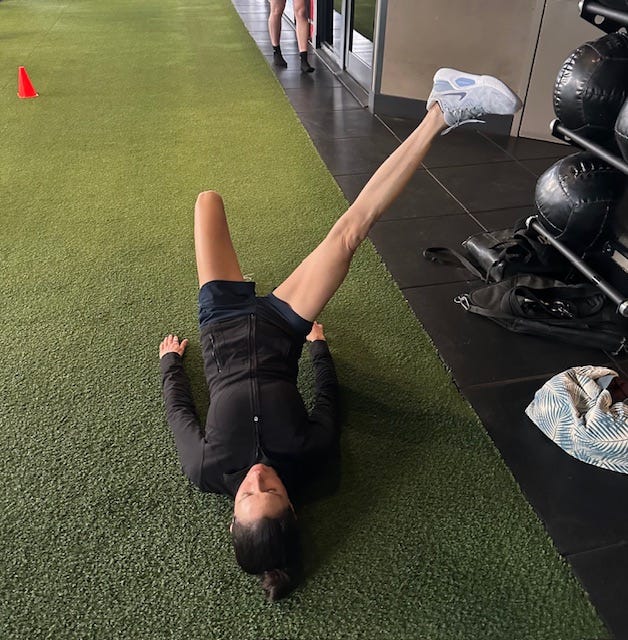
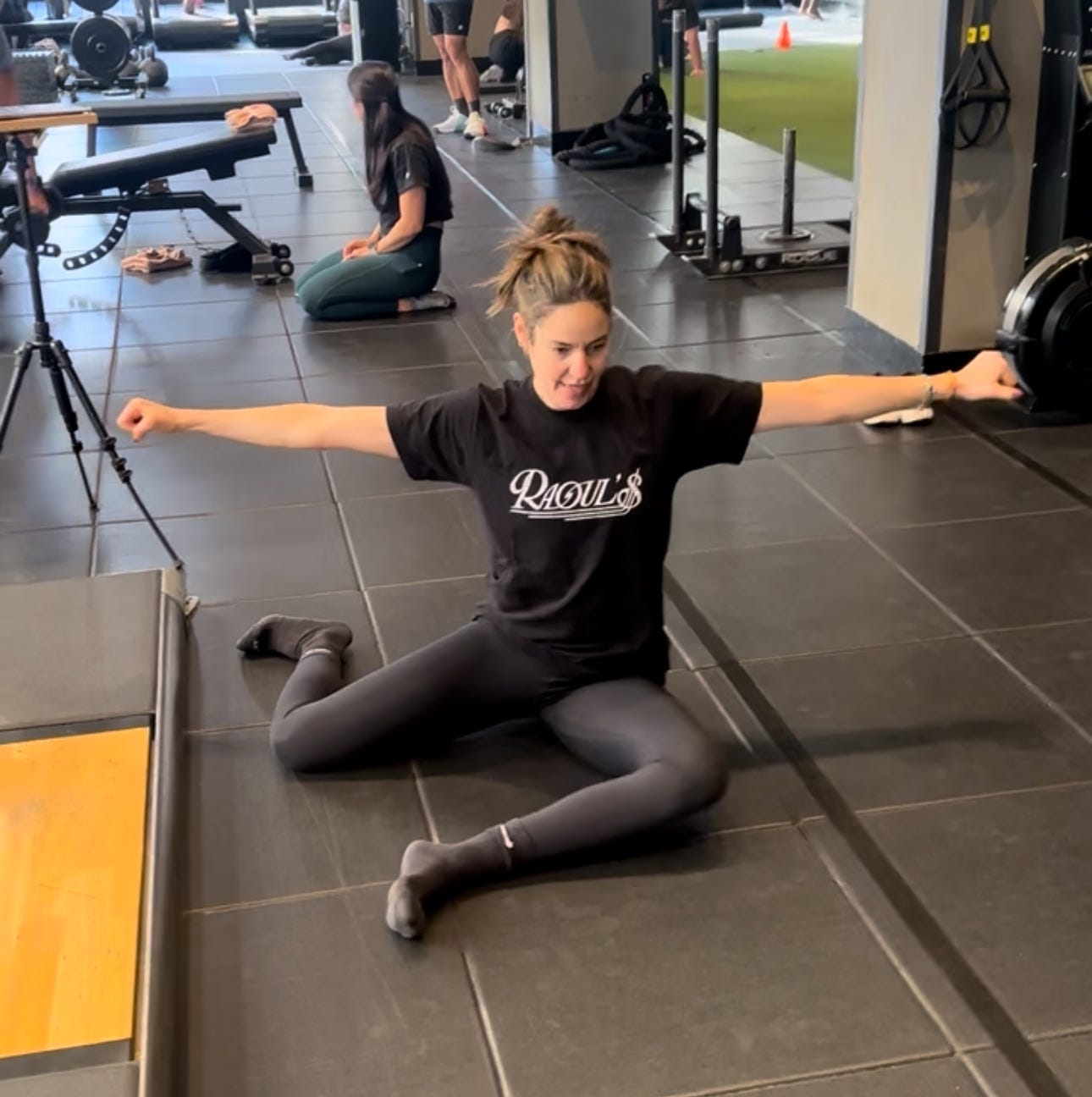
Goal 1A - Go thorough 90/90 Sequence
Turn each way 5 times
Back foot forward touch floor in front - 5 times
Front foot forward touch floor in front - 5 times
Repeat other side
Transition - Both sides 5 times
2. Torso Strength
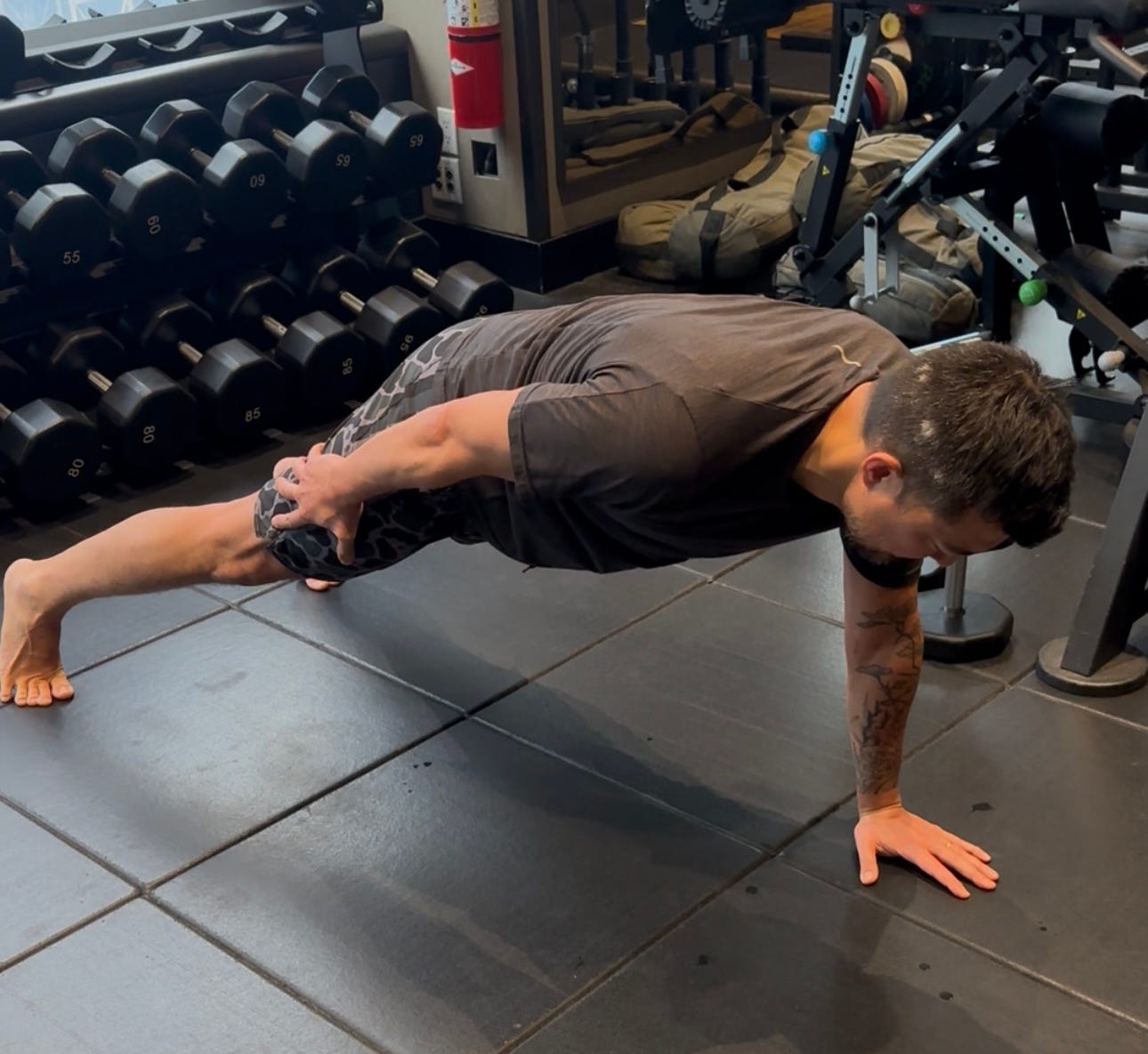
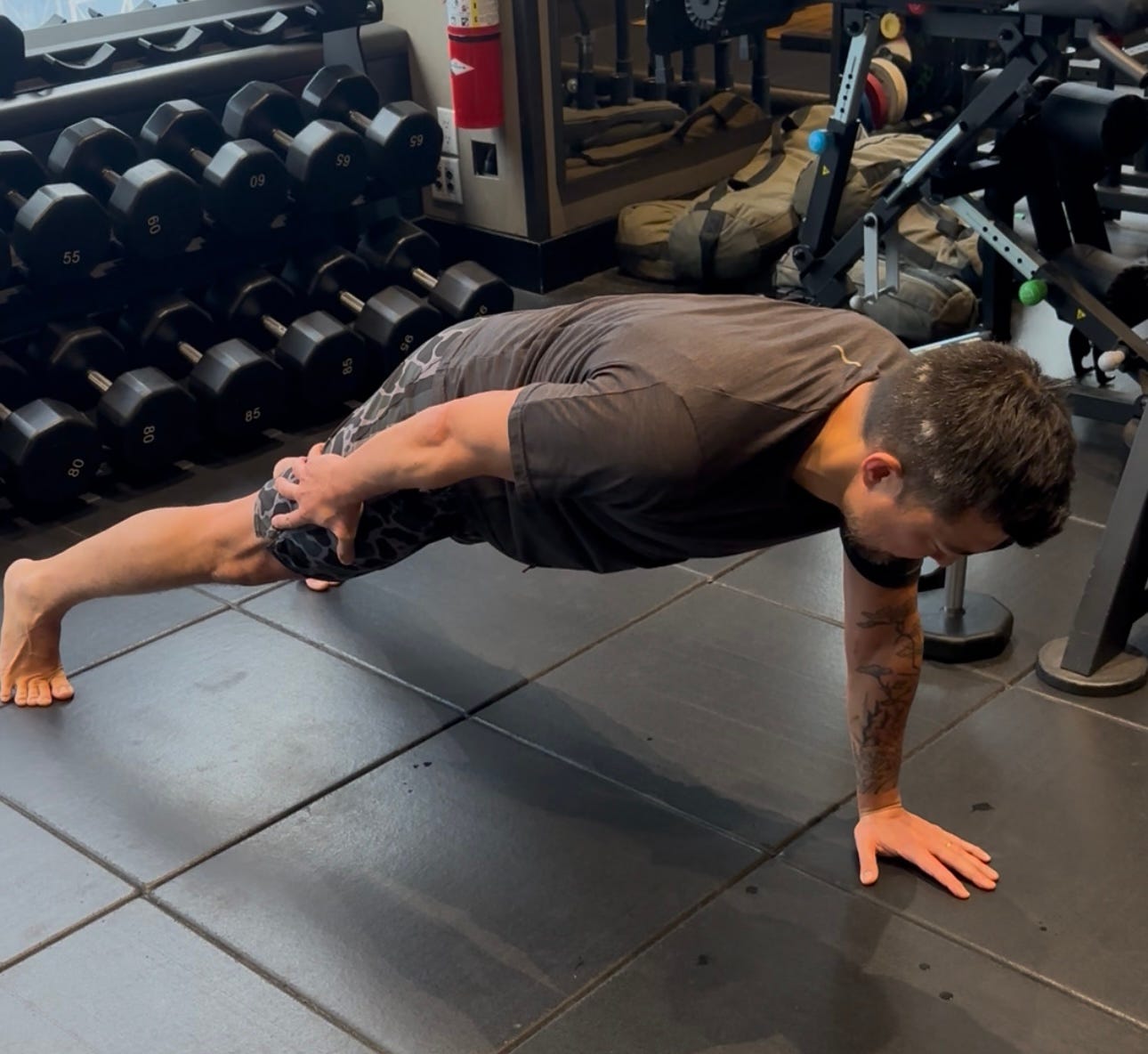
The hips and torso make up the “core”. I like to focus on the upper torso with a one arm push up plank. What this gives me:
Intense Core Engagement: Targets transverse abdominis, obliques, and deep core stabilizers to prevent torso rotation and sagging.
Pelvic Stability: Strengthens glutes and lower back to stabilize the pelvis and lower spine.
Improved Posture: Reduces lower back pain risk and promotes better spinal alignment by building supporting strength, notes a Tummee article.
Shoulder & Upper Body
Enhanced Shoulder Stability: Strengthens deltoids, serratus anterior, and other scapular stabilizers, crucial for functional movement and injury prevention.
Fuller Muscle Recruitment: Works chest, lats, triceps, and back muscles (traps, rhomboids) more dynamically than a standard plank.
Coordination & Balance
Better Proprioception: Improves neuromuscular coordination and body control, helping you feel more stable in daily life and sports.
Advanced Progression: Serves as a challenging step up from traditional planks, building strength for more complex movements.
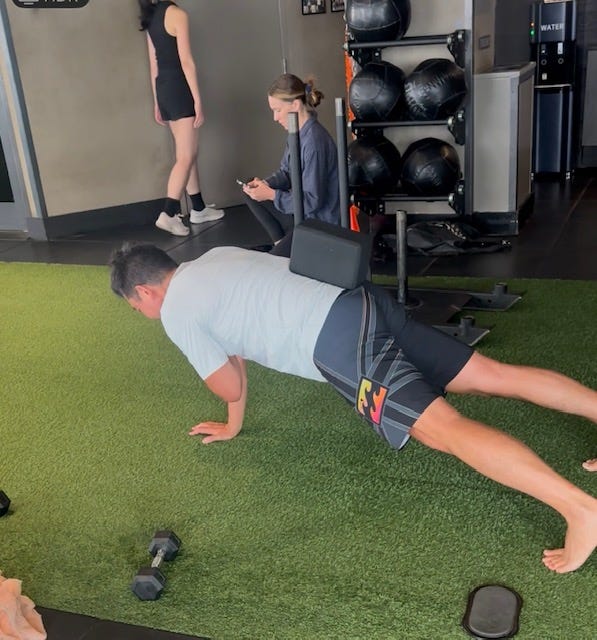
Goal - One Arm Plank. We hold a push up plank with two hands for 20 seconds, then 10 second holds with single arm for 10 seconds each for the last 40 seconds.
We build up to :30 each single arm only.
An ultimate test of shoulder and core strength. I add a block on the back to make sure the hips aren’t dipping.
One-arm planks significantly boost core strength, shoulder stability, and balance by challenging your body’s anti-rotation and anti-extension defenses, engaging deep core muscles, obliques, glutes, and shoulder stabilizers (like deltoids, serratus, traps) more intensely than standard planks, improving functional fitness and spinal alignment, but require mastery of the standard plank first.
3. Hangs
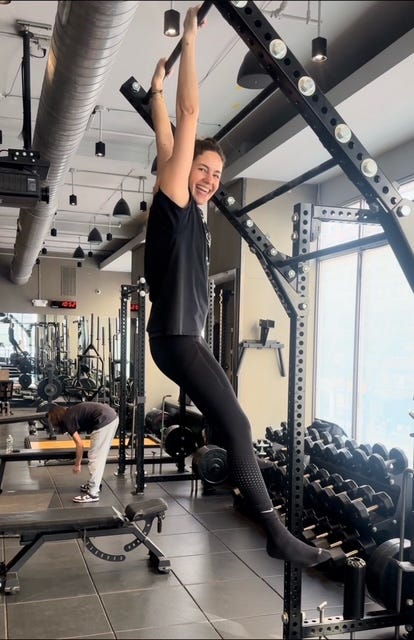
Key Health & Fitness Benefits
Shoulder Health & Mobility: Hanging opens up the shoulder joint, stretching the lats and pectorals, which can correct “tech neck” or rounded shoulders. It is particularly effective for relieving shoulder impingement, often allowing people to avoid surgery.
Spinal Decompression: Gravity pulls the torso downward, creating space between the vertebrae and providing relief for the spine, especially the thoracic area.
Grip Strength & Forearm Development: Holding your full body weight significantly increases grip strength, a key indicator of overall health and longevity.
Functional Strength: It strengthens the shoulders, back, and core, aiding in compound movements like pull-ups and deadlifts.
Joint Lubrication: The hanging motion helps circulate synovial fluid in the shoulders and wrists, promoting healthier cartilage.
How to Practice Safely
Start Small: Beginners can start with 10-second holds, gradually working up to 30-60 seconds.
Modify Position: Use a pull-up bar, tree branch, or rings. If necessary, keep feet on the ground or on a bench for support until shoulder strength improves.
Active vs. Passive: A “dead” hang is fully relaxed, while an “active” hang involves engaging the shoulder blades to protect the joint. Both offer benefits, but active hangs are better for stability.
Goal: 1 Minute + for both men and women.
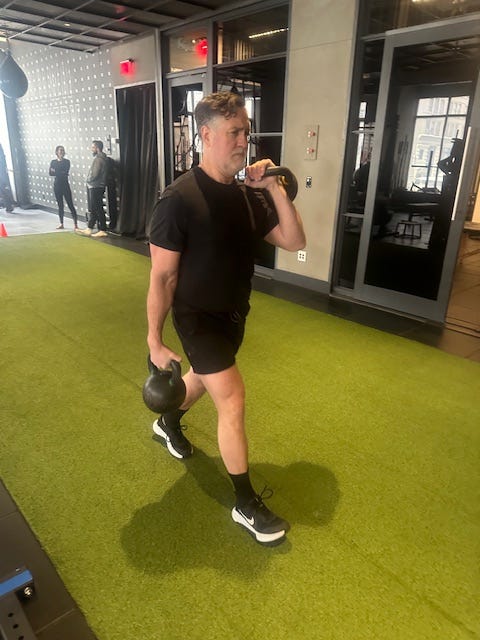
4. Carries - Key Benefits of Loaded Carries:
Core Strength & Stability:
Teaches your core to brace and stabilize your spine under load, essential for heavy lifts and daily life.
Improved Posture:
Strengthens upper back and shoulders, helping you stay upright and preventing rounded shoulders.
Enhanced Grip Strength:
A major limiting factor in many lifts, grip strength improves significantly with every carry.
Hip & Shoulder Health:
Strengthens lateral hips (like the gluteus medius) and stabilizes the shoulder girdle.
Functional Strength:
Directly translates to everyday tasks like carrying groceries, building “real-world” strength.
Better Conditioning:
Elevates heart rate and improves aerobic capacity without high impact.
Injury Prevention:
Increased stability and strength in the core and hips can reduce injury risk, particularly in the lower back.
Mental Toughness:
Demands focus and determination, building resilience.
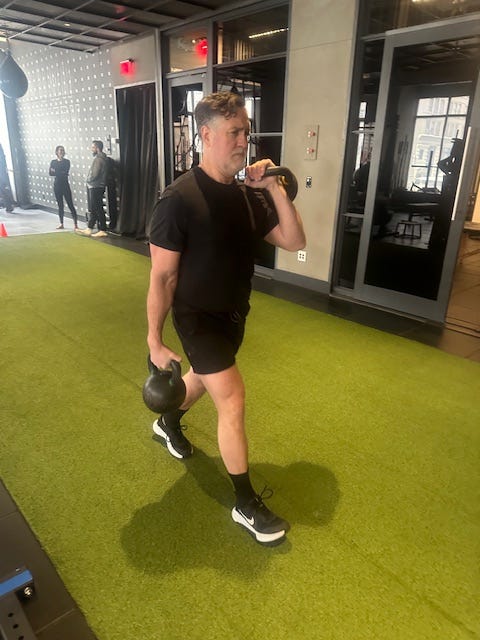
Goal: Common Loaded Carry Variations: One minute for all. oiurtye
Farmer’s Carry for 1 minute: Body weight for men and 75% body weight for women.
Rack Carry - 50% body weight for men and 40% for women.
Overhead Carry - Single arm men 25% and women 20%.
5. Plyometrics
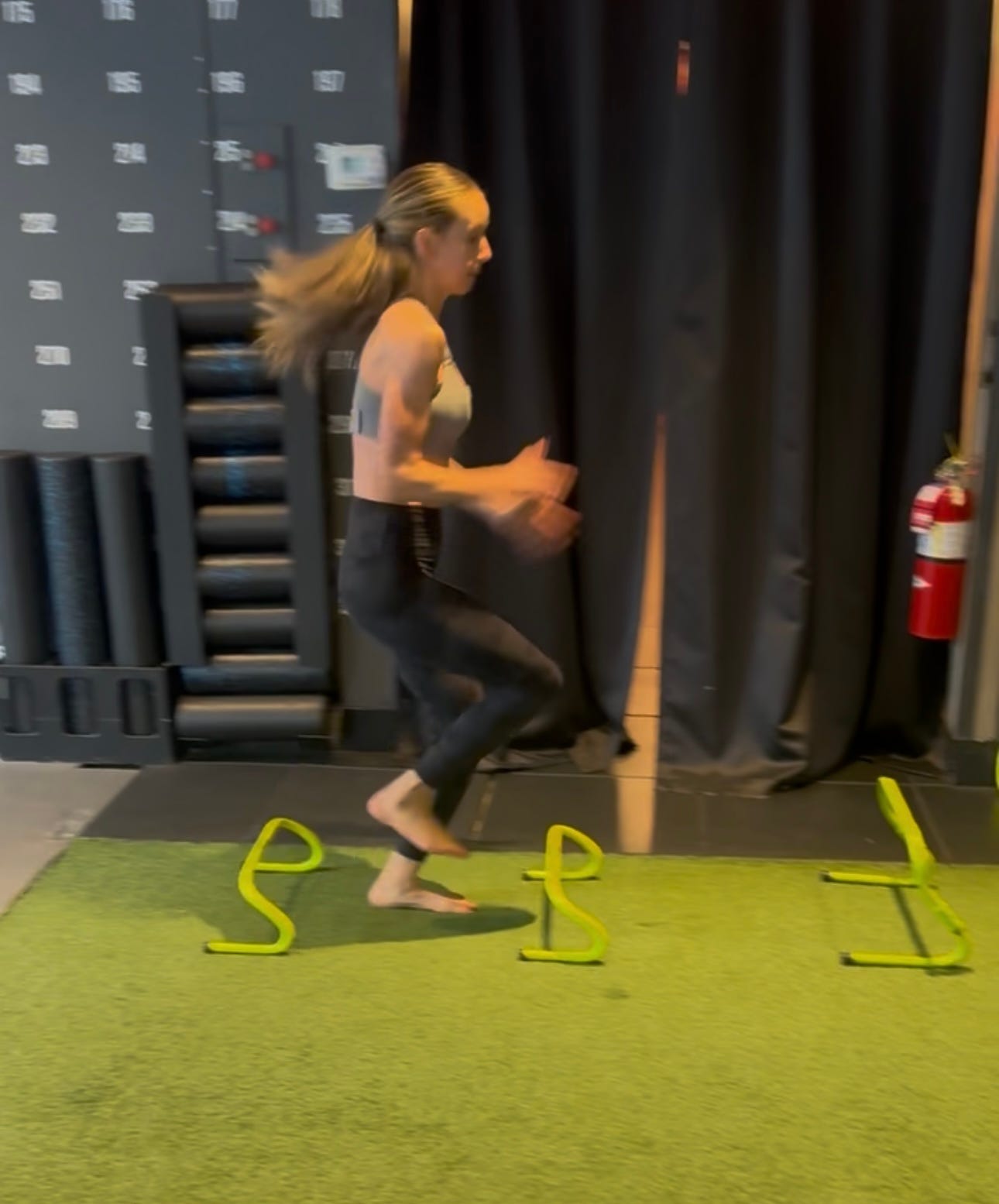
Plyometric training, or “jump training,” increases explosive power, muscle speed, and force production by utilizing the stretch-shortening cycle of muscles. Key benefits include enhanced athletic performance (vertical jump, speed, agility), improved neuromuscular coordination, increased bone density, and reduced injury risk through better joint stability.
Key Benefits of Plyometric Training:
Increased Power and Strength: Plyometrics train muscles to produce maximum force in minimal time, enhancing explosiveness for jumping, throwing, and sprinting.
Improved Athletic Performance: Regularly performing exercises like jump squats or box jumps boosts vertical jump height, long jump distance, and overall running speed.
Injury Prevention: By increasing tendon stiffness and improving joint stabilization, plyometrics help the body absorb shock more efficiently, reducing injury risk.
Enhanced Agility and Coordination: These exercises improve neuromuscular coordination, allowing for quicker changes in direction and better balance.
Functional Strength and Bone Health: Beyond sports, plyometrics improve daily functional movements and help maintain or increase bone density.
Metabolic Boost: High-intensity plyometric movements elevate heart rate and increase calorie burn.
Where do we start?
Skipping - Yes, skipping. The thing we did in elementary school. Ability to skip for height and distance.
Skipping is the precursor to sprinting. Sprinting would be the ultimate goal but how many people sprint after the age of 20? And don’t get injured. So skipping can build us up to sprinting.
It strengthens our feet, ankles, knees, and hips.
Better for our knees than running.
And gives us hip extension without sprinting.
Burns more calories than running.
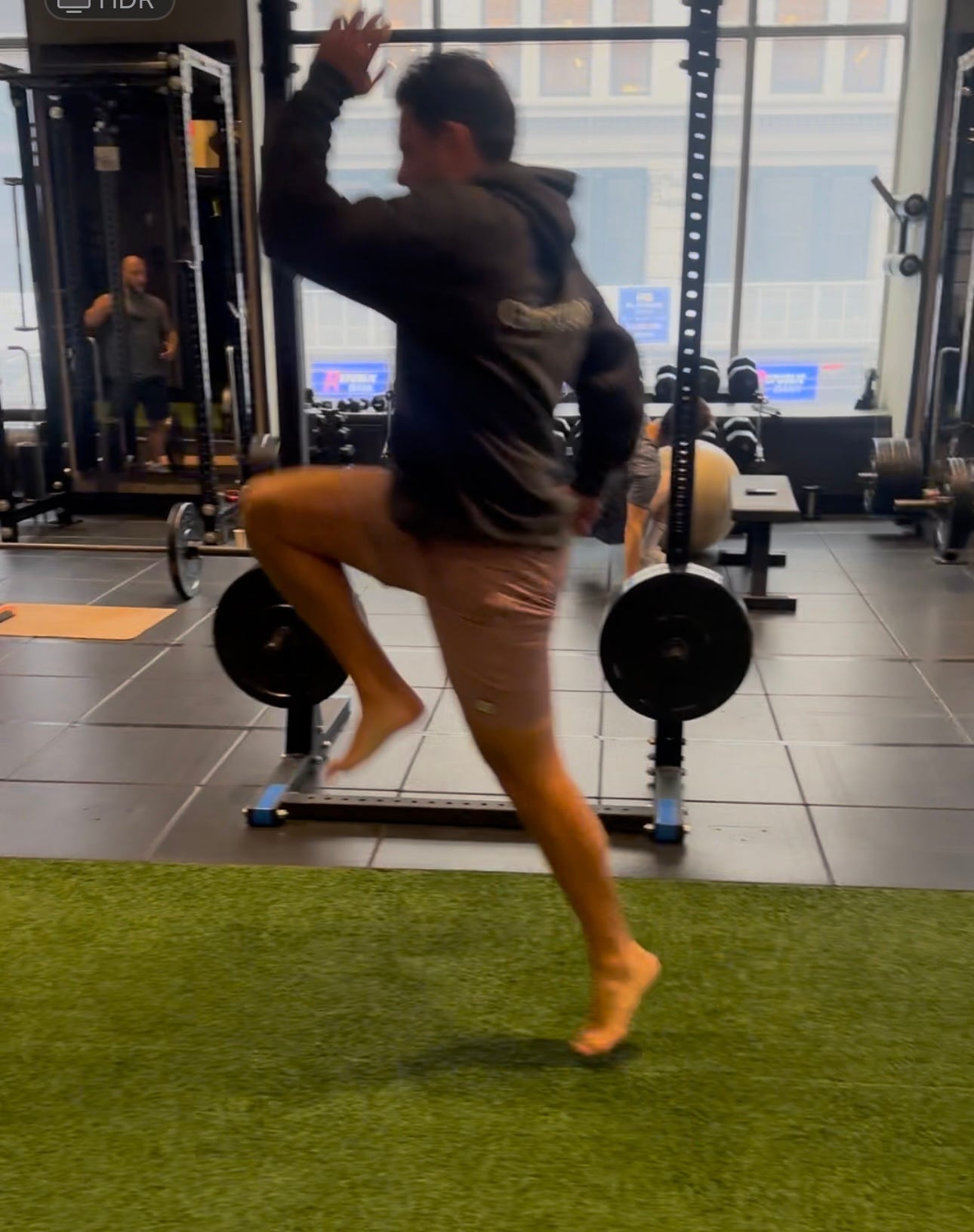
After skipping is established, we then go into more advanced sprint and running drills. (Like above and below)
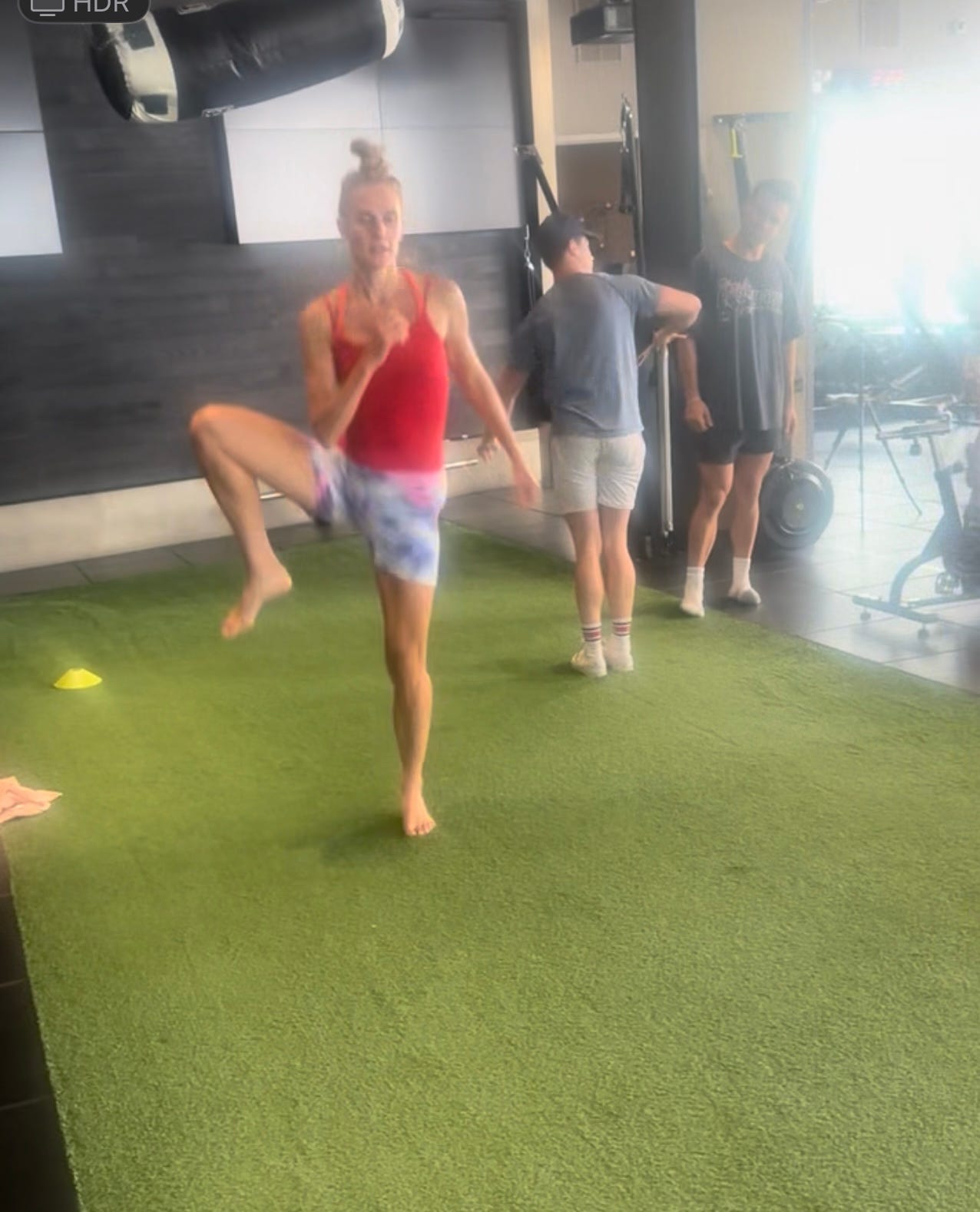
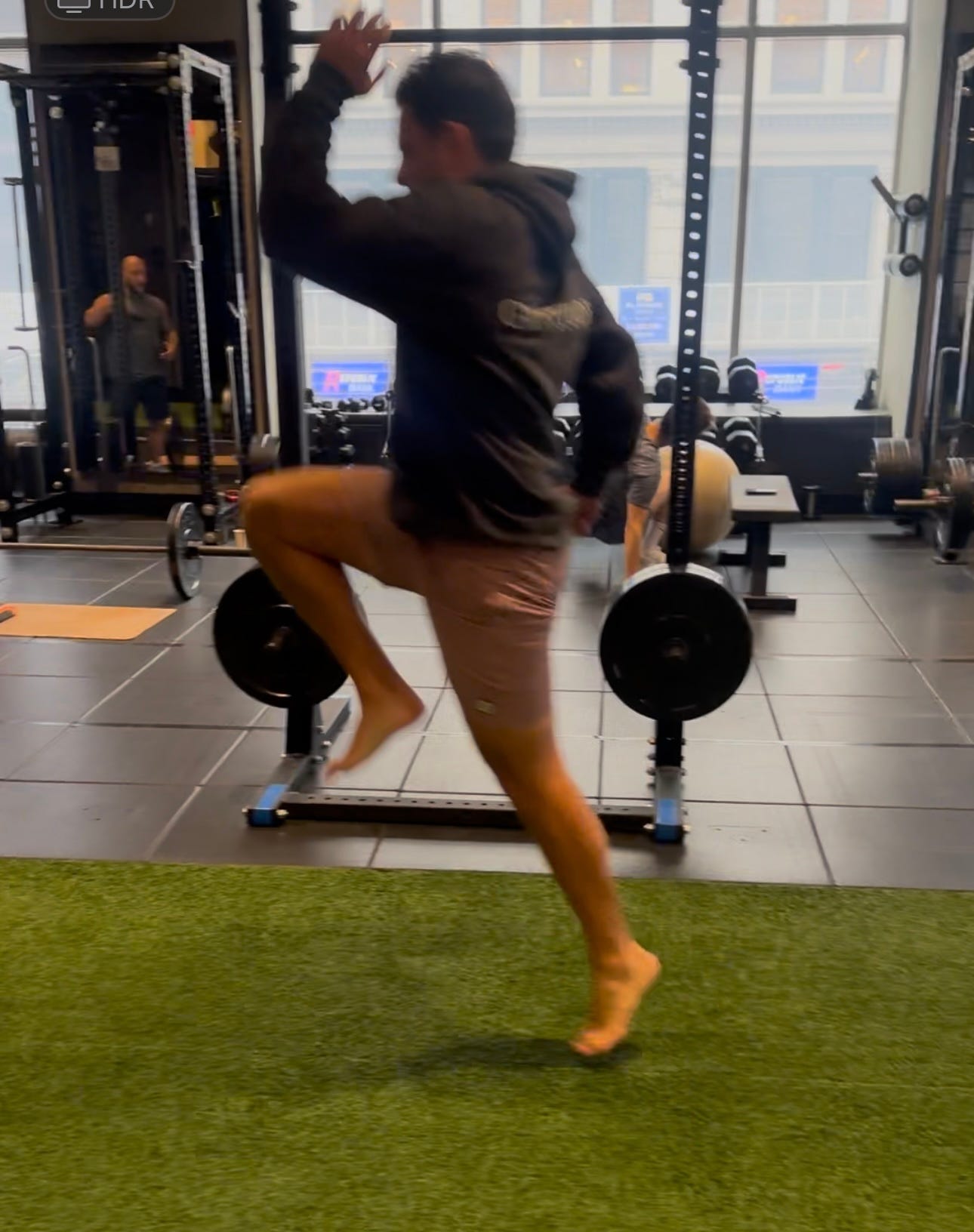
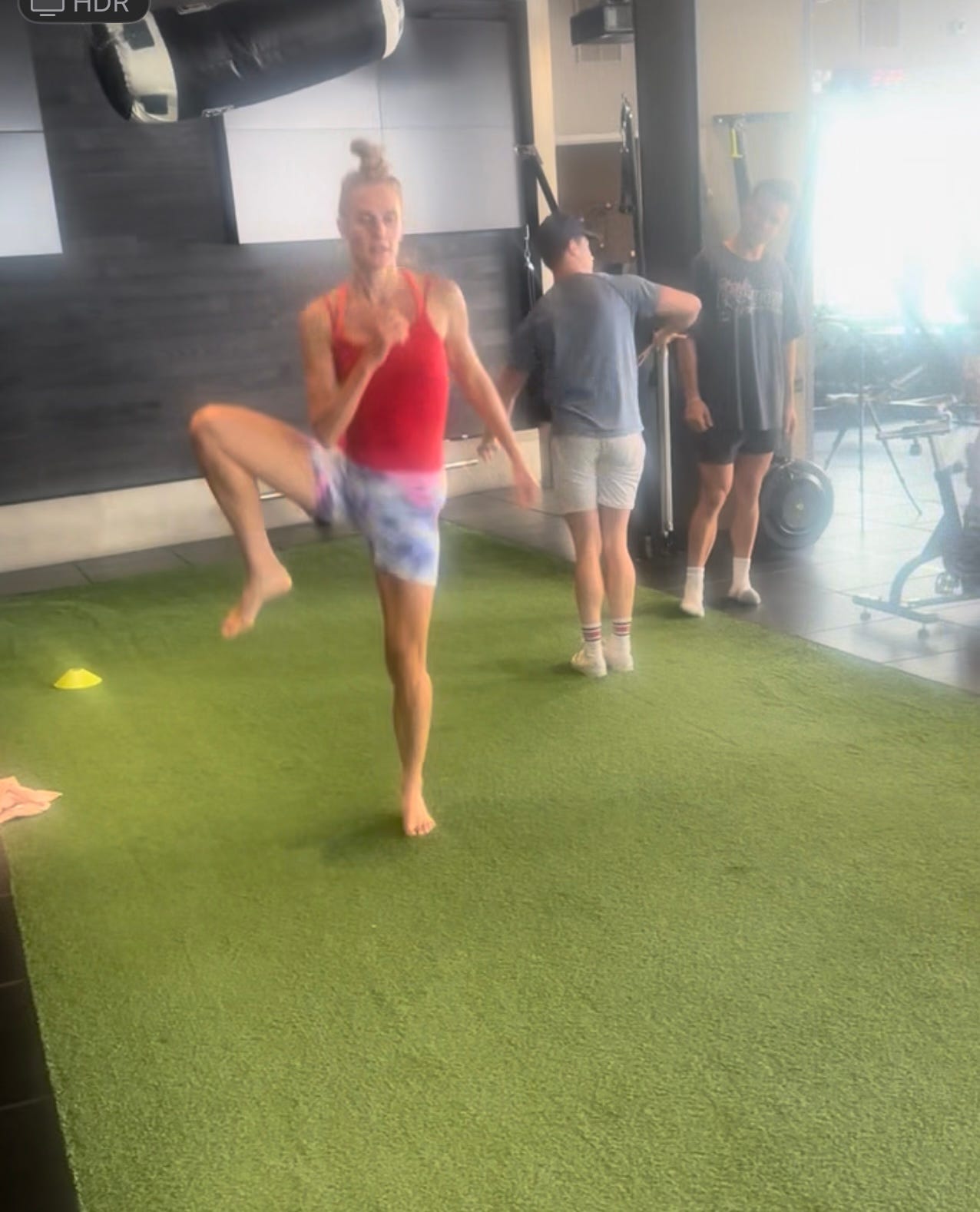
Our goal in plyometrics is to progress from simple skipping to advanced single leg jumping. Proficiency in: A Skips, B Skips, C Skips, Bounding, Hopping, and Leaping. Too many people tear Achilles, suffer knee injuries and more when they are out playing sports like tennis, skiing, pickle ball, etc. I want to make sure we’re able to handle the demands of recreational sports and have fun! Not be out because of an injury for 4-6 months due to poor preparation.
6. Single Leg Strength -
Reasons why I focus a lot on single leg work:
Balance demands increase with single-leg exercise, which activates stabilizing muscles including the glutes and core. Stabilizing muscles protect the joints during lower body exercises, but are notoriously weak since they are triggered reactively – stabilizing muscles only fire when your body feels its center of gravity is shifting and falling over. During a two-legged exercise, a balance demand is not triggered, and the important stabilizers stay dormant and leave joints unprotected.
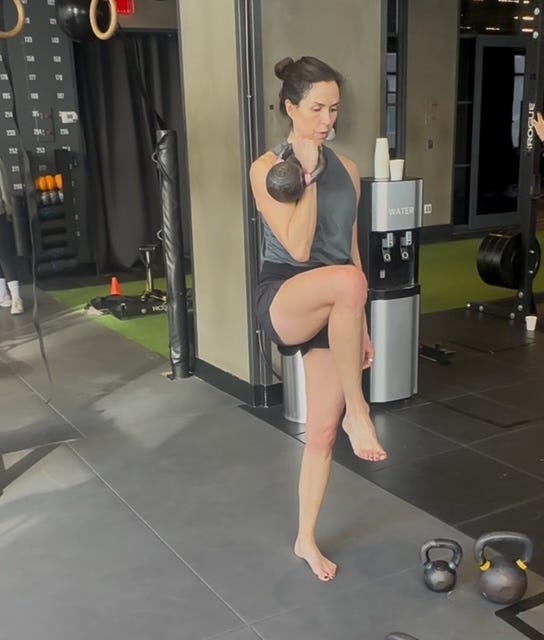
Single-leg exercises may reduce imbalances because often, we have one leg that is stronger than the other, either due to previous injury or just having a stronger side. Always performing bilateral exercises furthers this imbalance, since the stronger leg will always do more work than the other. Single-leg exercises promote strength and balance on both sides because they isolate the right and left side muscles. Having an imbalance in the strength of your limbs forces your body to compensate for one side’s weaknesses. This is one of the major contributors to alignment issues.
Thirdly, single-leg exercises may reduce injuries because they are safer for the lower back and hips. These movements, unlike bilateral exercises, do not lock the pelvis, which is built to have some reciprocal movement in order to protect your back. If the pelvis is locked, the lower back must compensate for it, putting pressure on the lumbar vertebras and lower back muscles. This compensation is especially detrimental for older adults, who tend to have increased stiffness and reduced mobility.
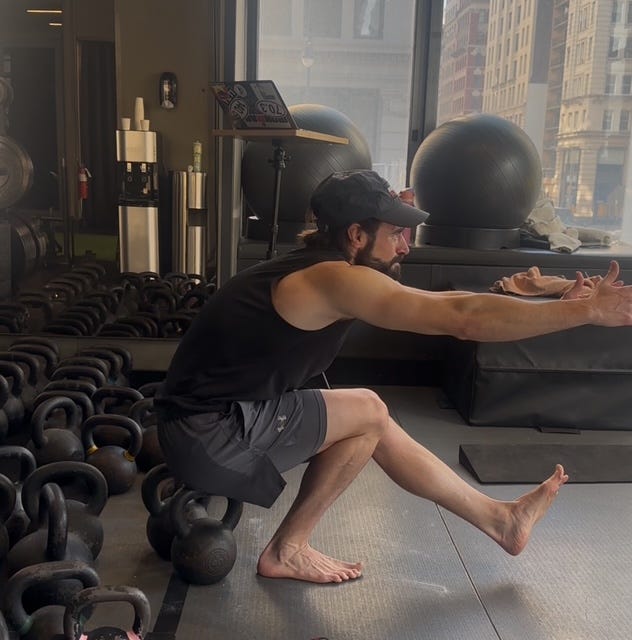
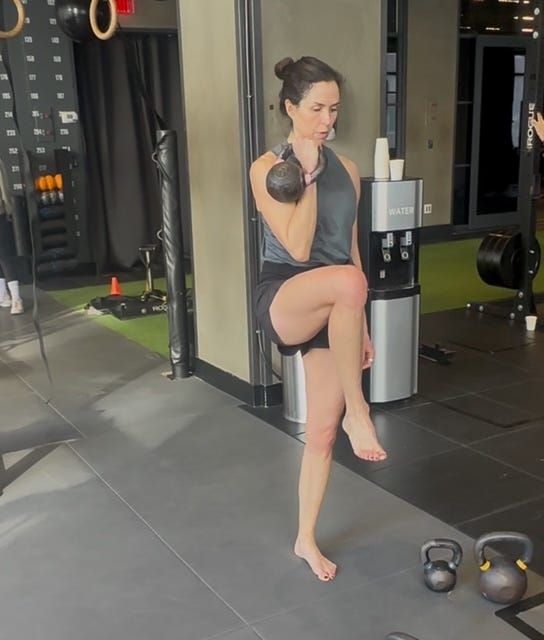
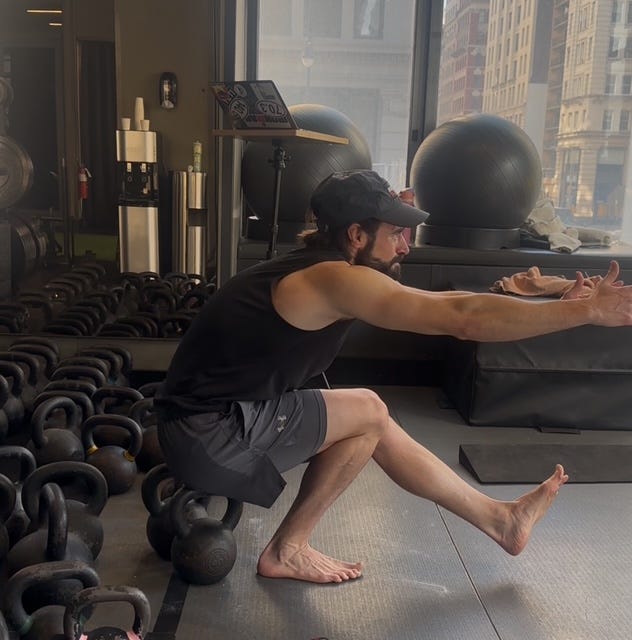
Goal(s):
Pistol squats - Always working towards the ability to do a one legged squat.
Hops for 1 minute - Hopping in different directions for 1 minute.
7. Front Squats
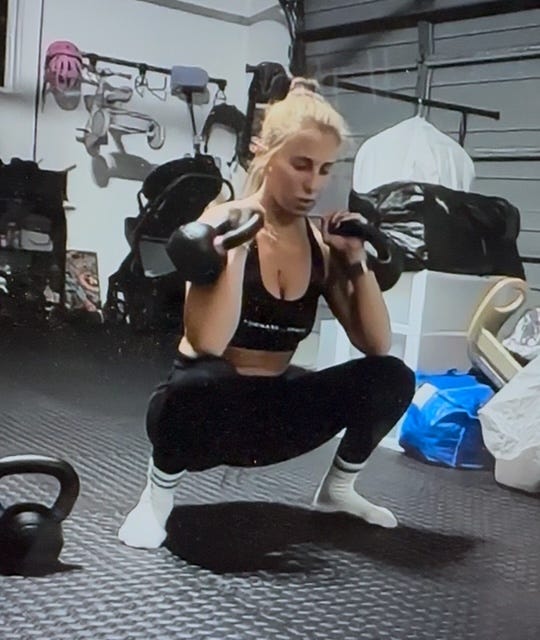
I use Front Squats almost exclusively with my clients. Reason being, the set up guarantees core engagement. The moment you hold a kettle bell in front of you, your core is engaged. Hold it up to your eyes, and push it forward and you have more core engagement.
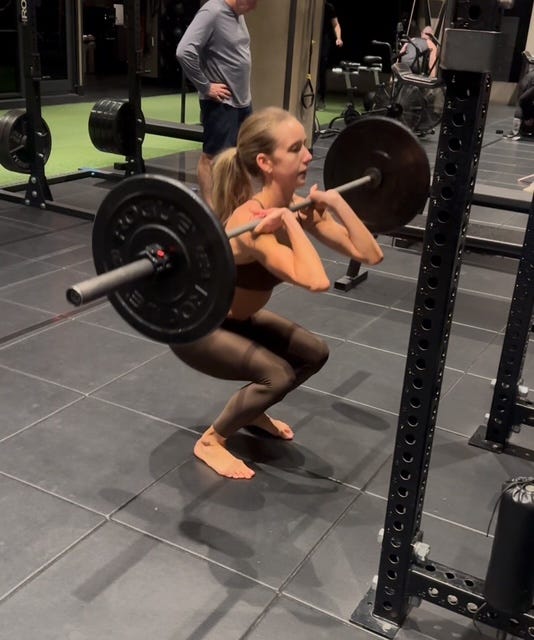
Increased Quad & Core Engagement: The front-loaded bar forces a more vertical torso, placing greater demand on the quadriceps and abdominals for stability.
Reduced Spinal Load: The upright position creates less flexion and compression on the lower back, making it a safer option for those with back issues or for general spinal health.
Improved Mobility: They require excellent mobility in the upper back, shoulders, wrists, hips, and ankles, helping to improve these areas.
Better Form Feedback: If your form falters (you lean too far forward), the bar will fall, acting as a built-in safety mechanism and forcing you to maintain proper posture.
Enhanced Upper Back Strength: Holding the bar in the front demands significant strength from the upper back (traps, rhomboids) to keep the chest up.
You’re also ensured to get posture strengthening as when squat is done right, your back comes up first, not the hips so you come up in a straight line.
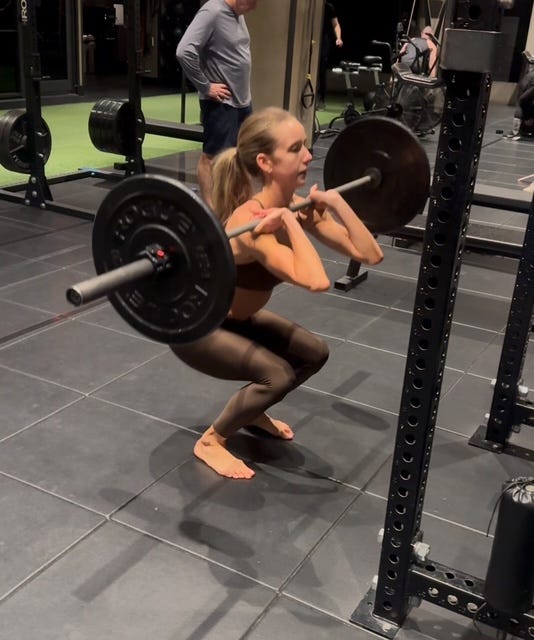
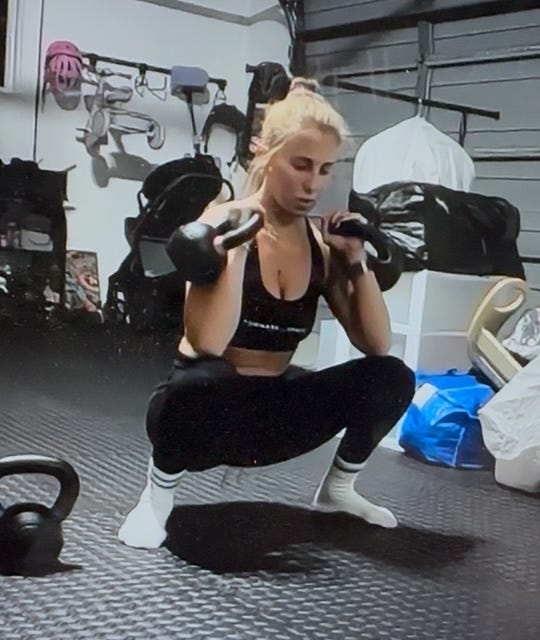
Goals - 10 reps 50% Bodyweight Men, 40% Bodyweight women
Within the front squat, my favorite is the single arm front squat. This is challenging you even more because when you go heavy, you’re forced to keep your torso upright even more or else lose the kettlebell. So being challenged upright and laterally.
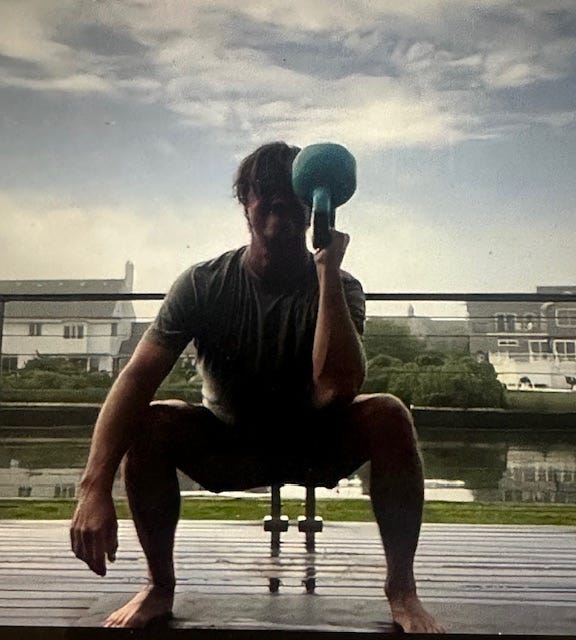
(He’s doing a single arm bottom’s up squat. Pretty advanced and the ultimate in core control, grip strength, and strong posture.)
8. Trap Bar Deadlift -
Deadlifts build full-body strength, muscle (glutes, hamstrings, back, core), and power, improving athletic performance like jumping and running, while also boosting metabolism, increasing bone density, enhancing grip strength, improving posture, and potentially reducing lower back pain when done correctly. They are a functional exercise that trains the body to lift objects safely, making them highly efficient for overall physical development, fat loss, and overall functional fitness.
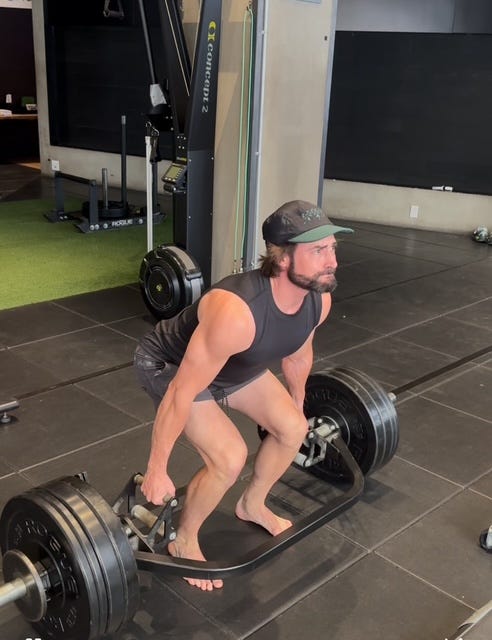
Amped Athleticism. Whether you’re climbing hills or sprinting on flat ground, deadlifts will make you faster and stronger. The hip hinge (pushing your butt back, then thrusting hips forward) is your body’s ultimate force move, propelling running strides, jumps, and other lifts.
Superior Cardio. Women who performed heavy strength training improved their blood pressure more than those who stuck with cardio, according to an Appalachian State University study. That may be because lifting can act as super-high-intensity interval training, prepping your arteries to dilate more easily.
Stronger Bones. You have to put weight on bones to strengthen them. Deadlifts let you load the spine and hips (which are prone to osteoporosis) with multiple times your body weight. After each lift, cells called osteoblasts fill in any stressed areas of your skeleton. Once those spots are calcified, they turn to rock-hard bone.
Tighter Core. Deadlifts beat the plank when it comes to training the deepest muscle in the abs, according to a study in the International Journal of Sports Physical Therapy. Known as the transverse abdominis, it acts as an internal corset, keeping your torso strong and firm.
Easier Fat Loss. By working every muscle and jacking up your heart rate, deadlifts burn major calories both in the gym and after you cool down, through excess post- exercise oxygen consumption (EPOC). EPOC refers to the energy your body uses in the recovery process.
Stronger Glutes. Deadlifts are a hip-dominant move: Your glutes and hamstrings are doing the brunt of the work with each rep, Tenney says. That means they should be a mainstay of any lower-body workout.
Goals
Males - Deadlift 1.5 Bodyweight on Trap Bar x 5 reps
Females - Deadlift 1x Bodyweight on Trap Bar x 5 reps
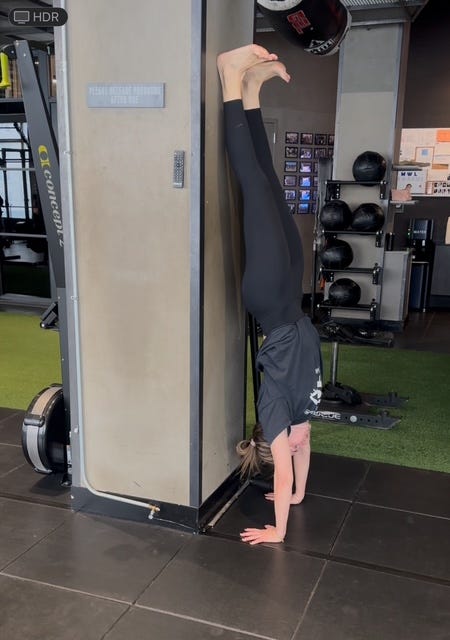
9. Handstand -
They engage shoulders, arms, chest, back, and core, while improving posture and offering a unique mental challenge.
Physical Benefits
Strength: Significantly strengthens shoulders, arms (biceps/triceps), chest (pectorals), back (lats), and deep core muscles.
Balance & Coordination: Challenges the vestibular system, improving spatial awareness and overall control.
Bone Health: Weight-bearing stress on the skeleton can help prevent osteoporosis.
Circulation: The inversion increases blood flow to the brain, lungs, and lymphatic system, helping to flush toxins and improve respiration.
Flexibility: Stretches wrists, shoulders, and the diaphragm.
Posture: Strengthens the spinal muscles, promoting better alignment.
Mental & Emotional Benefits
Stress Relief: Requires intense focus, calming the mind and reducing cortisol.
Focus & Discipline: Teaches concentration, perseverance, and mental resilience.
Mood Enhancement: Energizes the body and can alleviate anxiety and mild depression.
Body Awareness: Heightens proprioception (knowing where your body is in space).
Goals
1 minute hand stand against wall, working towards free handstand.
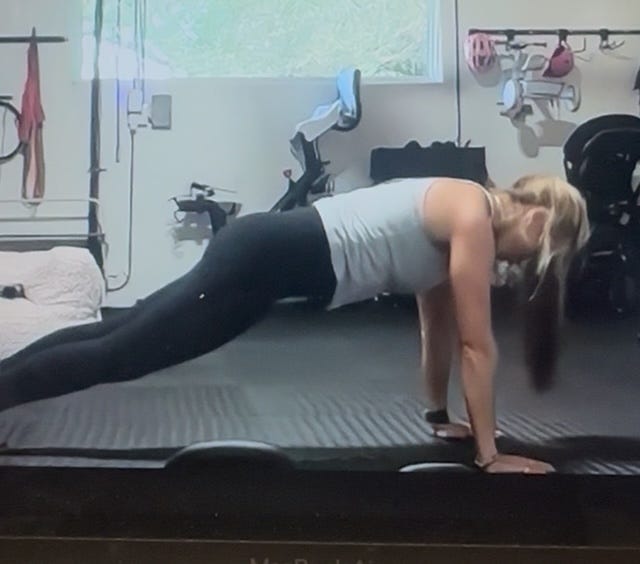
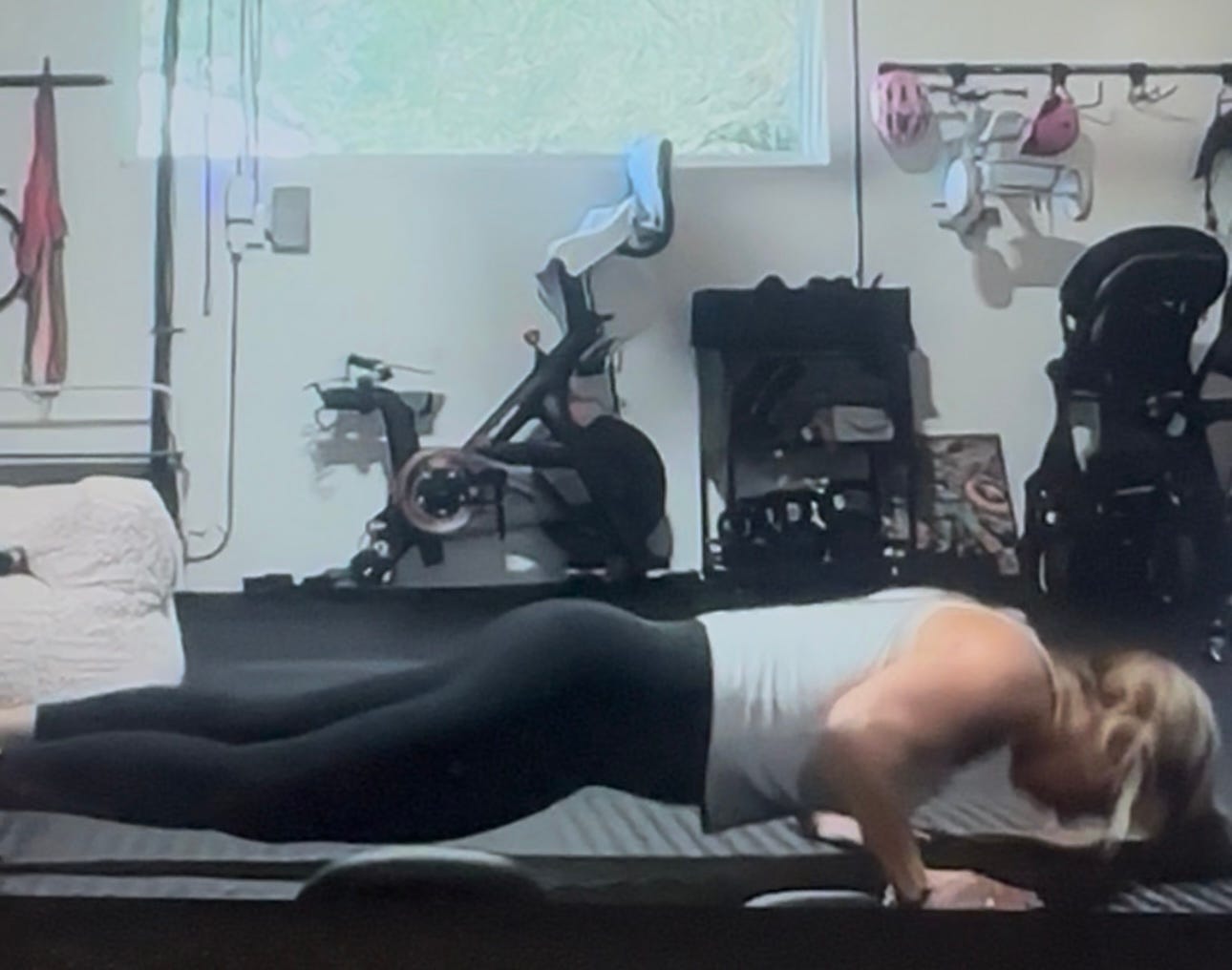
10. Push Ups -
Builds overall strength (chest, shoulders, arms, core) for better posture, balance, and functional fitness, while also improving bone density crucial for aging, boosting cardiovascular health, and requiring no equipment, making them accessible for building functional strength and preventing osteoporosis.
Goals
Males - 30 in one minute
Females - 10 in one minute
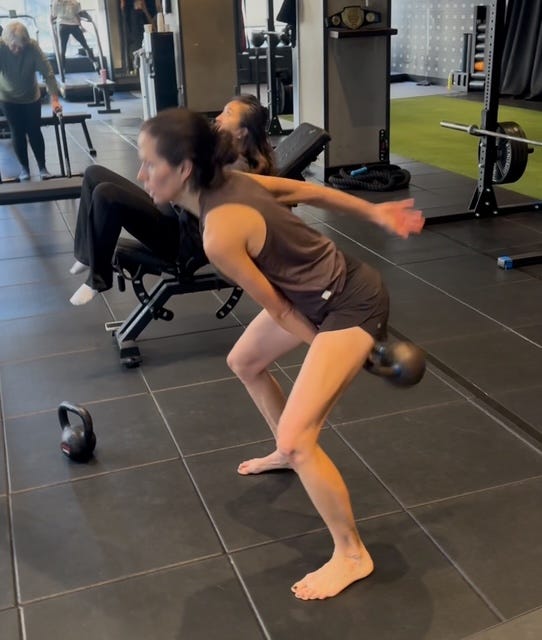
11. Single Arm Swings
Single-arm kettlebell swings offer a high-intensity, full-body workout that improves cardiovascular endurance, strengthens the posterior chain (glutes, hamstrings, back), and develops significant core, grip, and shoulder stability. As a unilateral movement, it corrects muscular imbalances, increases anti-rotational core strength, and serves as a prerequisite for more advanced exercises like the snatch.
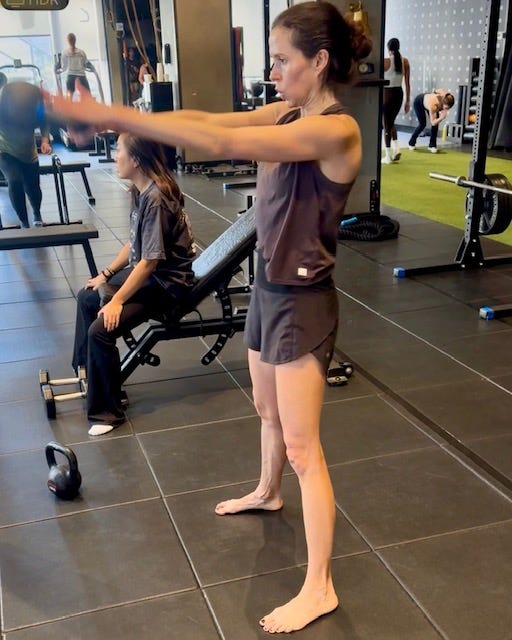
Key Benefits of Single-Arm Kettlebell Swings:
Fixes Muscle Imbalances: Because it is a unilateral exercise, it forces both sides of the body to work equally, preventing one side from compensating for the other.
Enhanced Core Stability: The off-center weight forces the oblique muscles and deep core stabilizers to work harder to prevent the torso from rotating.
Increased Grip Strength: Holding the weight with one hand significantly increases the demand on the forearms and grip strength compared to two-handed swings.
Superior Shoulder Stability: The movement requires the shoulder to be “packed” (down and back), strengthening the shoulder girdle and improving stability.
Improved Posterior Chain Power: It heavily engages the glutes, hamstrings, and lower back, building explosive power and reversing the effects of sedentary behavior.
Functional Movement & Coordination: It translates well to real-life movements, enhancing body awareness, balance, and coordination.
Full-Body Conditioning: As a high-intensity, compound movement, it builds endurance and boosts cardiovascular fitness in a time-efficient manner.
Pre-requisite for Technical Moves: It is a foundational movement for safely progressing to more advanced ballistic exercises, such as the single-arm snatch or clean.
Important Tips for Success:
Focus on the Hinge: Keep your spine neutral and focus on driving the hips back, not bending at the waist.
Tight Core: Brace your abdominals, especially to manage the rotational forces.
Keep the Shoulder Packed: Maintain a strong, stable shoulder joint on the working side.
Start Light: Master the form with a lighter bell before increasing weight.
Goal:
100 Swings (50 left, 50 right arm) in 4 minutes or less.
Women using 12kg,14kg, or 16kg based on weight and experience.
Men using 16kg, 20kg, 24kg based on weight and experience.
So these are our goals for longevity. Not too extreme. I like my clients to be well balanced and ready for almost anything. Injuries can occur with anyone, as we see in pro sports on TV. But a lot of injuries occur with weekend warriors not being even close to ready for their chosen activity. I want my people to feel strong, nimble, and confident that they can enjoy activities with their family and friends with much less risk of injury. They can Be The Iron to everyone around them.
Hi Jayson, this is such a thoughtful and practical breakdown of what real longevity training actually looks like. I love how the goals prioritize capability, resilience, and confidence instead of extremes.